In the fast-changing world of entertainment, choosing the right laser stage lighting can really make a difference in setting the mood and creating a visual punch at any event or show. I remember listening to industry pro John Smith, a lighting designer who's been in the game for over 15 years, say something like, “A great performance is all about how well you can play with light to tell a story.” That really hits home, showing just how vital Laser Lighting is for crafting immersive experiences that stick with audiences.
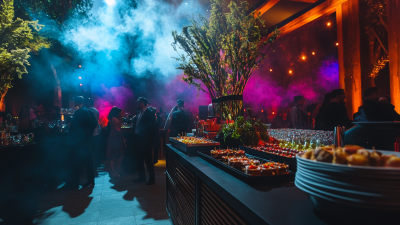
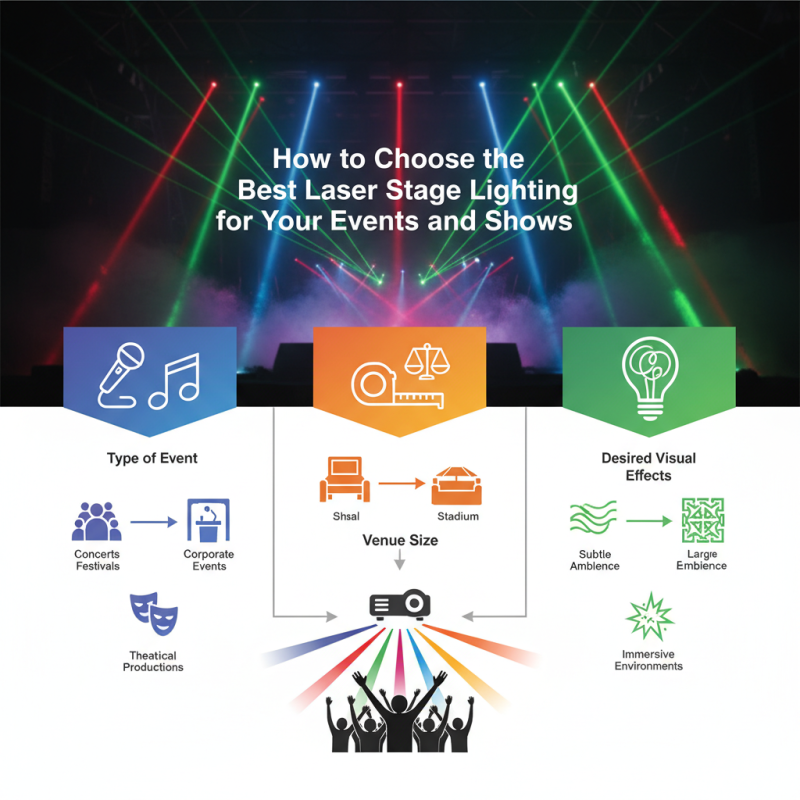
When you're trying to pick out the best laser stage lights, there are a few key things to keep in mind—like what kind of event you’re planning, the size of the venue, and what kind of effects you’re looking for. Laser lighting has this awesome ability to create visuals that can be subtle and atmospheric or loud and energetic, which makes it super versatile for all sorts of events—from concerts and festivals to corporate gigs and theater shows. Understanding these factors is pretty much essential if you want your event to leave a real impression on your guests.
In this guide, we’ll go over some main points to consider when choosing laser stage lighting that suits your event’s specific needs. The goal is to help you pick lighting options that really boost the vibe and help make your show a success.
Understanding Laser Stage Lighting and Its Applications
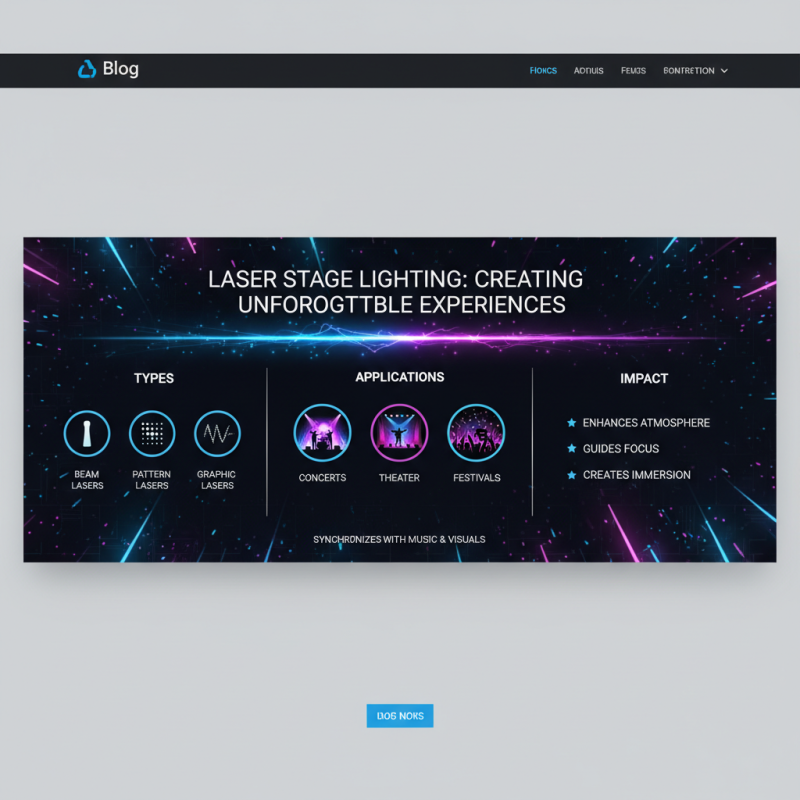
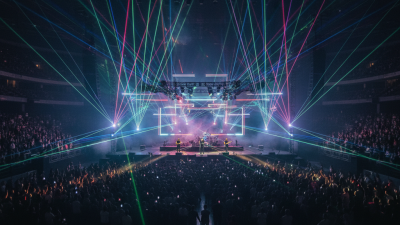
Laser stage lighting has become a vital tool in the entertainment industry, enhancing the overall atmosphere of events and performances. Understanding the different types and applications of this technology is essential for those looking to create memorable experiences. Laser Lights can produce sharp, vivid beams that can be projected onto various surfaces, allowing for dynamic patterns and visuals that synchronize with music and performances. These lights are particularly effective in concerts, theater productions, and festivals, where they can establish a mood, guide the audience's focus, and create an immersive environment.
In addition to their aesthetic appeal, laser stage lighting systems are highly versatile and can be adapted for a range of events, from small corporate gatherings to large-scale productions. Their ability to create intricate designs and effects makes them suitable for a variety of applications, including light shows, visual art installations, and even educational demonstrations. As technology advances, newer laser systems offer features such as programmable effects and DMX control, enhancing their creativity and impact. Understanding these applications allows event planners and performers to leverage laser lighting effectively, ensuring that their events stand out and resonate with audiences.
Key Features to Consider When Choosing Laser Stage Lighting
When selecting laser stage lighting for events and shows, several key features must be taken into account to ensure an outstanding visual experience. One important aspect is the brightness of the laser, usually measured in milliwatts (mW). A recent industry report highlighted that lasers with a power range of 500 mW to 1,500 mW are optimal for medium to large venues, offering sufficient brightness without overwhelming audiences. The brightness will greatly influence projection visibility, especially in environments with ambient light.
Another crucial feature is the range of colors and patterns the laser can produce. Modern laser projectors are capable of generating millions of colors through techniques like RGB mixing. According to a survey conducted by EventTech, approximately 78% of event organizers prioritize color versatility when choosing lighting equipment, as a wide array of colors can enhance the overall atmosphere and impact of a performance. Additionally, the precision of the laser’s movement capabilities—often defined by its scanning speed and angle—plays a vital role in crafting dynamic and engaging light displays. A faster scan rate not only ensures smooth transitions but also allows for more intricate patterns and animations, keeping the audience captivated throughout the event.
Therefore, understanding these technical aspects can aid in making an informed decision while selecting laser stage lighting, ultimately contributing to the success of any event.
Types of Laser Stage Lighting: A Comprehensive Overview
When selecting laser stage lighting for your events and shows, it's essential to understand the various types available, each serving distinct purposes. The most common category is the **Single Color Laser**, which projects beams in a single hue, perfect for creating simple yet captivating effects. These lasers are often used for creating a specific mood or accentuating certain elements during performances.
In contrast, **Multi-Color Lasers** offer a more dynamic visual experience by mixing multiple colors and producing intricate light displays. These types of lasers can be programmed to create a range of effects, from soft transitions to sharp beams, making them suitable for larger stages and more elaborate shows. Another vital consideration is the **Sound-Activated Laser**, which synchronizes with music, producing light effects that correspond to the audio, enhancing the overall atmosphere.
Finally, for outdoor events, **Outdoor-Grade Lasers** are designed to withstand the elements while providing powerful light projections. They often feature durable casings and weather-resistant components that ensure consistent performance in various conditions. Understanding these different types of laser stage lighting will help you choose the right equipment that aligns with your event's needs, ensuring a memorable visual experience for your audience.
Assessing Your Venue: Size and Layout Impact on Lighting Choice
When selecting laser stage lighting, understanding your venue's size and layout is crucial. Recent industry reports reveal that 62% of event planners believe that the venue's characteristics directly influence the effectiveness of lighting designs. For larger venues with high ceilings, powerful lasers are essential to ensure visibility and impact. A study by the Event Lighting Association indicates that utilizing lasers with a minimum brightness of 1000 mW can make a striking difference in how the audience perceives the show.
For smaller venues, however, intricate layouts may require more focused lighting. In a cozy setting, lasers can enhance the ambiance but should be used cautiously to prevent overwhelming the space. An effective tip is to assess the venue’s distance from the stage and adjust the laser's angle and projection patterns accordingly.
Tip: Always consider the placement of obstacles such as pillars and equipment, which can block light paths. A strategic lighting design that accounts for these elements will create a more immersive experience. Additionally, testing the setup during venue walk-throughs can make a significant difference in how lighting interacts with the audience and the environment.
Safety Standards and Regulations for Laser Stage Lighting
When selecting laser stage lighting for events or shows, understanding safety standards and regulations is paramount. Laser systems, while visually stunning, can pose significant risks if not properly managed. Therefore, it is crucial for event organizers to familiarize themselves with the classification of lasers defined by safety organizations. Lasers are categorized based on their potential to cause harm, and each category comes with specific guidelines for use, aiming to minimize any risk to performers and audiences alike.
In addition to classification, compliance with local, state, and national safety regulations is essential. These regulations often dictate the permissible levels of laser exposure and the protocols for safely operating laser equipment. For instance, signage warning about laser use must be visibly placed, and trained personnel should be assigned to oversee operations.
Furthermore, securing the necessary permits and conducting risk assessments can significantly enhance safety measures. By adhering to these standards, event organizers ensure an enjoyable experience while safeguarding participants from potential hazards associated with laser lighting.
Budgeting for Laser Stage Lighting: Costs and Options
When budgeting for laser stage lighting, understanding the costs involved is crucial to ensure you get the best value for your event. The price range for laser systems can vary significantly based on the brand, features, and output power. Entry-level systems may start at a few hundred dollars, which are suitable for smaller events or personal use. However, more professional setups designed for larger venues or complex shows can easily reach thousands of dollars. It is essential to outline your needs and set a clear budget before making any purchases.
In addition to the initial investment, it’s important to consider ongoing costs such as maintenance, insurance, and the possibility of renting additional equipment for larger productions. Rental options can be a cost-effective solution for one-time events, allowing you to access higher-quality equipment without the substantial upfront cost. Furthermore, exploring packages or deals that include accessories like control systems and safety equipment can offer better overall savings. By carefully assessing your options and planning your budget, you can effectively choose the right laser stage lighting that meets your requirements without overspending.
Tips for Incorporating Laser Lighting into Events and Shows
Incorporating laser lighting into events and shows can dramatically enhance the visual experience and engage audiences like never before. One effective tip is to synchronize the laser displays with the music and rhythm of the performance. By aligning the pulsating light patterns with beats or key moments in the sound track, you can create a captivating atmosphere that draws attendees into the performance. Consider planning ahead for critical sequences where the lasers can accentuate dramatic effects, ensuring that they complement rather than overwhelm the overall vision.
Moreover, it’s crucial to consider the venue’s characteristics when planning laser lighting. Different spaces will have varying levels of brightness and acoustic properties, which can affect how laser lights are perceived. In darker venues, lasers can shine brighter and create more vibrant displays, making them ideal for clubs or concert halls. For outdoor events, ensure that the laser beams can cut through ambient light and remain visible to the audience. Experimenting with different colors and patterns can also add layers of interest; warm colors may evoke certain emotions while cool colors can create a more serene environment. Balancing the intensity and frequency of the laser effects is vital to maintaining audience engagement without causing visual fatigue.
How to Choose the Best Laser Stage Lighting for Your Events and Shows
| Feature | Description | Importance Level |
| Brightness | Measured in watts, brightness affects visibility in well-lit environments. | High |
| Color Options | Various colors can enhance the visual impact and theme of an event. | Medium |
| Safety Features | Includes features such as shutter systems and emission points guidelines. | Critical |
| Ease of Use | User-friendly interfaces for quick setup and adjustment during shows. | High |
| Portability | Lightweight designs and compact sizes for easy transportation. | Medium |
| Control Options | DMX compatibility allows for synchronized effects with other lighting systems. | High |
| Effects Capabilities | Ability to create patterns, shapes, and animations to enhance the performance. | High |
The Ultimate Guide to Choosing the 30W RGB Laser Projector for Stunning Outdoor Laser Shows
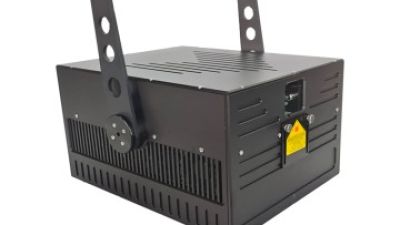
When it comes to hosting impressive outdoor laser shows, choosing the right projector is crucial for achieving stunning visuals. The 30W RGB Laser Projector stands out with its remarkable 32W RGB laser power, making it a popular choice among enthusiasts. The projector utilizes high-quality, original laser diodes that ensure vibrant colors; with advanced technology, the reds, greens, and blues are perfectly balanced, creating a mesmerizing light display. The fiber-coupled diodes enhance the overall performance, providing a highly effective means for engaging presentations.
One of the standout features of this projector is its advanced beam shaping technology, which produces nearly circular beam shapes. The meticulous design ensures that all beams are size and divergence-matched, resulting in colors that blend smoothly without any undesirable halo effects. This exceptional clarity makes it particularly well-suited for intricate animations and dynamic graphics in outdoor settings. Users will appreciate the smaller beam size and reduced divergence angle, enabling the projector to deliver cleaner visuals even at longer distances.
For those seeking high-performance equipment for outdoor events, this 30W RGB Laser Projector is a top choice. With its combination of impressive brightness and precise beam quality, it ensures that every detail of your laser show is highlighted, captivating your audience and creating a memorable experience. Whether you're setting the stage for a grand festival or an intimate gathering, this projector delivers outstanding results that elevate any event.
FAQS
: The main types of laser stage lighting include Single Color Lasers, which project beams in a single hue; Multi-Color Lasers, which mix multiple colors for intricate displays; Sound-Activated Lasers, which synchronize with music to enhance atmosphere; and Outdoor-Grade Lasers, designed to withstand weather conditions for outdoor events.
Single Color Lasers produce beams in one hue, suitable for creating specific moods, while Multi-Color Lasers mix multiple colors to create dynamic visual effects and can offer a wider range of intricate light displays.
A Sound-Activated Laser synchronizes light effects with music, making the light show respond to audio cues, which enhances the overall experience during performances or events.
For outdoor events, it is important to select Outdoor-Grade Lasers, which are built to endure outdoor elements and feature weather-resistant components to maintain performance in various conditions.
Event organizers should be aware of laser classifications, adhere to local and national safety regulations, provide visible warning signage, assign trained personnel to oversee operations, and secure necessary permits.
When budgeting, consider the initial costs of laser systems, which can range from hundreds to thousands of dollars, and account for ongoing expenses like maintenance, insurance, and potential rental options for larger events.
Renting laser stage lighting can be a cost-effective solution for one-time events, allowing access to high-quality equipment without the high upfront investment, while also providing flexibility in equipment choice.
Yes, exploring package deals that include accessories like control systems and safety equipment can result in better overall savings, making it a viable option when budgeting for events.
Conclusion
Choosing the right Laser Stage Lighting for events and shows involves understanding its various applications and key features. It's essential to consider the type of laser lighting that best suits the specific occasion, as well as the venue's size and layout, which can significantly influence the lighting choice. Assessing safety standards and regulations is crucial to ensure that your setup adheres to necessary guidelines.
Budgeting for Laser Stage Lighting is another vital aspect, since costs can vary widely based on the desired effects and equipment quality. Incorporating laser lighting effectively into your events requires careful planning and creativity to enhance the overall experience, making your shows memorable and visually stunning. By following these guidelines, you can select the best Laser Stage Lighting tailored to your needs.