Leave Your Message
0%

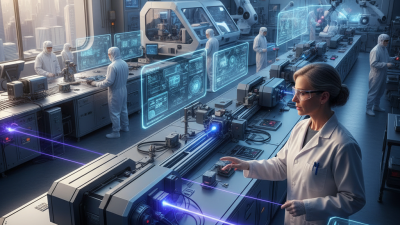
As industries keep evolving, it’s clear that having efficient manufacturing solutions is more important than ever. One technology that really stands out right now is the Lasers System. According to a report from MarketsandMarkets, the global laser processing market is projected to hit around $31.2 billion by 2025. That just shows how crucial this tech is for modern manufacturing. It’s all part of a bigger trend where companies are pushing for faster, more precise production.

Laser Systems bring some seriously impressive perks. They can cut, engrave, and weld materials with such accuracy that there’s barely any waste. In fact, Deloitte did a study showing that manufacturers who adopt laser tech see about a 20% decrease in their production costs. Still, I get it—some businesses might hold back because of the initial investment demands. It’s important to weigh those upfront costs against the long-term benefits, you know?

Figuring out the right manufacturing solution isn’t a one-size-fits-all kind of thing. Companies really need to think about their specific needs and what they aim to achieve. While laser systems are a game-changer, there are some hurdles like operator training and ongoing maintenance to keep in mind. But if you take a careful, well-rounded approach, implementing these tools can really pay off in the long run and help you make the most of what they offer.
Why Choose Laser Systems for Efficient Manufacturing Solutions?

Advantages of Laser Systems in Manufacturing Processes

Laser systems are revolutionizing manufacturing processes with their precision and efficiency. In today's competitive landscape, OEM Lasers Systems are becoming crucial for industries seeking to enhance their production capabilities. These systems offer significant advantages, such as reduced material waste and faster processing times. The ability to cut and engrave materials with extreme accuracy minimizes the need for rework, ultimately saving time and resources.

Another notable benefit is versatility. Laser systems can handle various materials, from metals to plastics. This flexibility enables manufacturers to adapt to different project requirements without investing in multiple machines. Additionally, their automation capabilities streamline operations, reducing labor costs and human error. However, the initial investment in laser technology can be substantial. Smaller businesses often struggle with this upfront cost, which may discourage them from adopting these advanced solutions.

Moreover, the learning curve associated with laser technology can pose challenges. Operators must acquire specific skills to maximize the efficiency of the OEM Lasers System. Organizations should prioritize training to address these gaps, enhancing productivity over time. Embracing laser systems can lead to significant competitive advantages, but careful consideration of costs and training is essential for successful implementation.

How Laser Technology Enhances Precision and Accuracy

Laser technology is revolutionizing the manufacturing sector. Its ability to enhance precision and accuracy is a key factor driving this transformation. According to a report by the International Laser Manufacturing Institute, laser systems can achieve a positional accuracy of within 0.01 mm. This level of precision is crucial for industries like aerospace and medical device manufacturing. These sectors demand superior quality and consistency in their components.

An interesting aspect of laser systems is their adaptability. They can be integrated into various stages of production. From cutting materials to engraving designs, the versatility is unmatched. Reports indicate that manufacturing with laser technology can reduce wastage by up to 30%. This not only conserves resources but also cuts costs, creating a more efficient workflow.

Despite these advantages, challenges remain. Some manufacturers struggle to adapt to the technology. The initial costs and training requirements can be daunting. However, as the industry evolves, the long-term benefits of using ODM Lasers System often outweigh these hurdles. Continuous improvement in laser technology promises even greater accuracy and efficiency, pushing the boundaries of what is possible in manufacturing.

Comparative Analysis: Laser Systems vs. Traditional Manufacturing Methods

Laser systems are revolutionizing manufacturing processes. They offer precision and speed that traditional methods often cannot match. While traditional techniques rely heavily on manual labor, laser technology automates tasks. This shift minimizes human error and increases efficiency. However, the initial investment in laser systems can be high. Businesses must weigh both costs and benefits carefully.

Tips: Consider starting with a smaller laser system. This approach allows for gradual integration into existing operations. Training staff on new equipment is crucial. A knowledgeable team can maximize the advantages of laser technology.

Laser systems also reduce material waste. Traditional machining often leads to unwanted scraps. In contrast, lasers cut with greater precision, preserving resources. Nonetheless, companies need to reassess their entire workflow. A holistic view helps in understanding how new technology fits into overall production.

Tips: Regularly evaluate the effectiveness of laser systems in your processes. Gathering feedback from operators can highlight areas for improvement. Keep an eye on advancements in laser technology to stay competitive in the market.

Applications of Laser Systems Across Various Industries

Laser systems are revolutionizing manufacturing across various sectors. These advanced tools enhance precision, reduce waste, and improve overall efficiency. According to a report by MarketsandMarkets, the global laser processing market is expected to grow from $5.61 billion in 2020 to $8.85 billion by 2025. This growth stems from the increasing adoption of lasers for cutting, engraving, and welding applications.

In the automotive industry, laser systems play a vital role in assembling components. Their ability to create high-quality welds ensures durability. A report indicated that laser welding is 70% faster than traditional methods, significantly reducing production time. On the other hand, the aerospace sector utilizes lasers for intricate part manufacturing. Aerospace components require high standards, making laser cutting an ideal solution.

Tip: Ensure regular maintenance of laser systems to avoid unexpected downtimes. An efficient laser cutter can save up to 30% on operating costs when properly maintained. Regular checks can help detect issues early, preventing costly repairs.

In the electronics industry, laser systems are used for micro-machining and engraving circuit boards. This process provides accuracy that is challenging to achieve with traditional methods. However, over-reliance on laser systems can lead to a skills gap. Companies must balance technology with human expertise to maintain quality and innovation.

Cost Efficiency and Time Savings with Laser Manufacturing Solutions

Laser manufacturing systems have gained popularity for their cost efficiency and significant time savings. These systems enable manufacturers to reduce material waste while enhancing precision. Such efficiency translates directly into lower operational costs. Companies using laser solutions often experience a quicker turnaround time. Faster production leads to meeting customer demands more effectively.

Tip: Regular maintenance of laser systems is crucial. Neglecting this can lead to unexpected downtime, affecting production schedules.

Additionally, laser technology minimizes energy consumption compared to traditional methods. This reduction in energy use not only decreases costs but also supports sustainability goals. The precision of lasers allows for designs that conventional machining cannot achieve.

Tip: Invest in training for your staff. Proper knowledge of laser systems can optimize their potential and mitigate common operational errors.

Manufacturers must consider these aspects when adopting laser solutions. Efficiency does not come without challenges, and continuous evaluation is essential. Embracing laser technology requires ongoing commitment to refinement and adaptation.

Sustainability Benefits of Using Laser Technology in Production

Why Choose Laser Systems for Efficient Manufacturing Solutions?

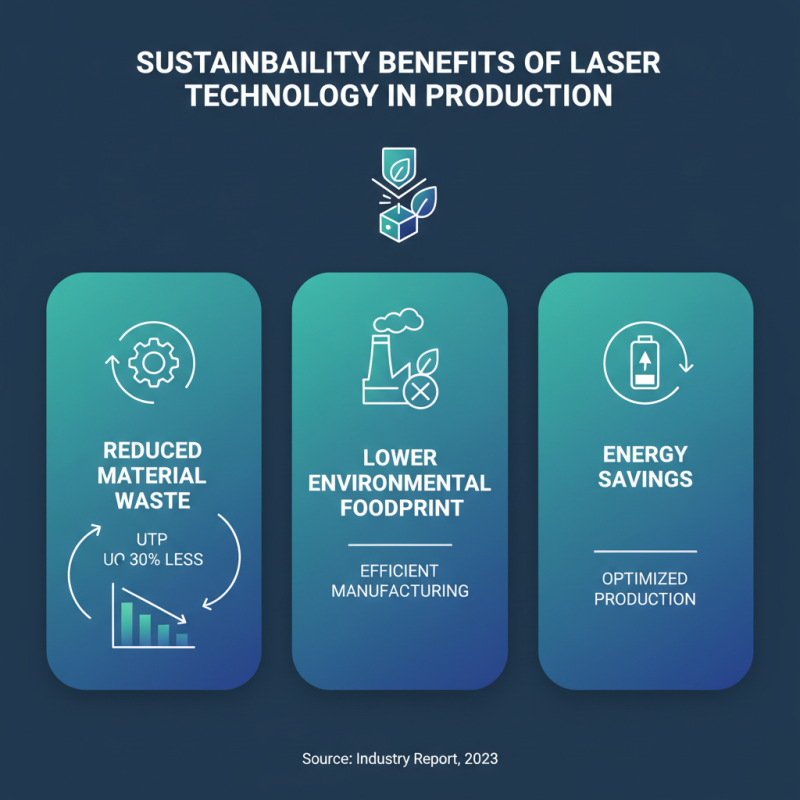
Laser technology has emerged as a game changer in efficient manufacturing. It not only enhances productivity but also promotes sustainability. According to a recent industry report, companies using laser systems can reduce material waste by up to 30%. This is crucial as the production sector seeks to minimize its environmental footprint.

The precision of a High-Quality Lasers System leads to cleaner cuts and less excess material. For instance, traditional machining methods often generate significant scrap. Conversely, laser cutting produces very little waste. This efficiency means that businesses can use resources more wisely, aligning with sustainability goals. Additionally, the energy consumption of laser systems is often lower compared to other techniques, reducing overall production costs.

However, there are challenges. Initial investment for High-Quality Lasers Systems can be high. Small and mid-sized enterprises may struggle to afford this technology. Moreover, the learning curve for staff can be steep. Training is essential to maximize the benefits of this technology. Despite these hurdles, the long-term sustainability benefits make a compelling case for adopting laser technology in manufacturing.

Future Trends and Innovations in Laser Manufacturing Systems

Laser manufacturing systems are poised to revolutionize the industrial landscape. The advancements in technology are reshaping how products are created. With improvements come challenges. Understanding these trends ensures companies remain competitive. New laser systems increase precision and reduce waste. Efficiency is significantly enhanced through automation and real-time feedback. This involves complex algorithms to optimize processes, but implementation can be difficult.

The future holds exciting possibilities. Customization has become more achievable with advanced laser technology. Job shops can offer tailored solutions for varying client needs. However, adapting to rapid changes in laser technology can be daunting. Keeping up with each innovation is essential but overwhelming. The concept of the "Best Lasers System" comes into play here. It refers not only to the capabilities of the technology but also to how effectively it integrates with existing workflows.

Increased collaboration between sectors is essential. Manufacturers must engage with research institutions to foster innovation. However, some companies may hesitate to invest in new technologies. The fear of the unknown can stifle progress. As laser manufacturing systems evolve, reflection on current practices is critical. This ensures that organizations can adapt and thrive in an ever-changing landscape.

Laser Systems in Manufacturing: Adoption Rates by Industry (2023)

FAQS

: What are the main advantages of using laser systems in manufacturing?

: Laser systems offer precision, efficiency, reduced waste, and faster processing times in manufacturing processes.

How do laser systems compare to traditional manufacturing methods?

Laser systems can cut and engrave materials with extreme accuracy, resulting in less rework and time savings.

What types of materials can laser systems handle?

Laser systems are versatile and can work with various materials, including metals and plastics.

Why might smaller businesses hesitate to adopt laser technology?

The initial investment for laser systems can be substantial, making smaller businesses cautious about adoption.

What challenges do operators face when using laser systems?

There is a learning curve that requires specific skills to maximize the efficiency of laser systems.

How can companies ensure laser systems remain efficient?

Regular maintenance is crucial. Efficient systems can save on operating costs by detecting issues early.

In which industries are laser systems most commonly used?

Laser systems are widely used in the automotive, aerospace, and electronics industries for various applications.

What future trends are expected in laser manufacturing?

Innovations will lead to increased customization and efficiency, but adapting to rapid changes can be overwhelming.

What role does collaboration play in the advancement of laser technology?

Increased collaboration between manufacturers and research institutions can foster innovation in laser systems.

How can companies balance technology and human expertise?

Companies should not over-rely on laser systems to prevent a skills gap and maintain quality and innovation.

Conclusion

Laser systems have transformed manufacturing processes by offering numerous advantages over traditional methods. They enhance precision and accuracy, making them ideal for intricate designs and applications across various industries such as automotive, aerospace, and electronics. A comparative analysis reveals that laser systems not only streamline production but also lead to significant cost efficiency and time savings.

Furthermore, the sustainability benefits of laser technology are noteworthy; they often result in less waste and energy consumption. As the manufacturing landscape evolves, future trends indicate ongoing innovations in laser systems, likely driving further enhancements in efficiency and environmental responsibility within production. The adoption of laser technology signifies a pivotal shift towards more efficient and effective manufacturing solutions.
Madeline

Madeline

Madeline is a dedicated professional marketing expert at Shenzhen Tianmei Technology Co., Ltd., a leading company specializing in high-quality technology solutions. With a deep understanding of the company’s innovative products and services, she excels in crafting insightful and engaging blog......
Previous High Power Laser Solutions for Global Buyers Guide?