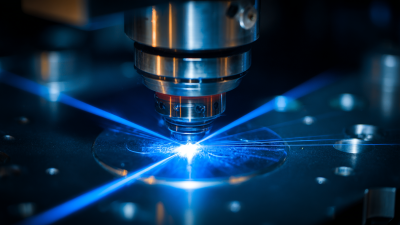
You know, in today’s fast-changing industrial world, the importance of powerful lasers really can’t be overstated. These cutting-edge tech tools are leading the way across so many different fields—think manufacturing, healthcare, and telecoms. I recently came across a market report by MarketsandMarkets that says the global laser market was valued at around $13.4 billion back in 2020, and it’s expected to jump to about $20.2 billion by 2025. That’s an annual growth rate of roughly 8.7%. Pretty impressive, right? And if you’re wondering who's really making waves in this space, Shenzhen Tmaxlaser Technology Co., Ltd has been a major player for over 15 years. They focus on producing, researching, and developing laser lighting products. They’re well-equipped too, with 12 CNC machines and a super clean, dust-free workshop dedicated to Laser Modules. All of this really highlights how powerful lasers are changing the game—making industry processes more precise, efficient, and pushing productivity to the next level with their advanced solutions.
Understanding the Basics of Laser Technology and Its Types
Laser tech really changed the game for a bunch of industries, mainly by making things more precise and efficient. It’s pretty cool to understand the different types—like fiber, CO2, and solid-state lasers—so you can pick the right one for your business. For example, the global fiber laser market is expected to nearly triple from around $4.6 billion in 2025 to over $10.7 billion by 2032, growing at about 12.8% each year. That’s a solid sign that there’s a rising demand for top-notch cutting and welding in fields like automotive and electronics.
When you're choosing laser tech, try to keep your industry’s specific needs in mind. Generally speaking, fiber lasers tend to be more versatile and cost-effective compared to traditional CO2 lasers—they generally use less energy and are easier to maintain. Plus, with advances in automation and robotic features, productivity can really get a boost. That's why semi-automatic lasers are becoming more popular for manufacturers wanting to make things run smoother.
As the market keeps on evolving, you can’t ignore how COVID-19 has shaken things up—affecting demand and sparking new innovations in laser cutting machines. The market’s still pretty strong and is expected to adapt to the new normal. So, if you’re in the game, staying up-to-date on these trends and knowing when to adapt can make all the difference for staying ahead in this fast-changing world.
How Powerful Lasers Enhance Precision in Manufacturing Processes
Lately, Powerful Lasers have really started to change the game in manufacturing. They’re great for boosting accuracy and efficiency across so many different applications. Honestly, being able to cut, engrave, and mark materials precisely like that makes them pretty much essential in today’s industrial world. For example, laser cutting lets manufacturers get super detailed designs and maintain tight tolerances — which means better quality products and, surprisingly often, lower costs. Plus, this kind of precision helps cut down on waste and speeds up the whole production process, so companies can respond faster to market changes.
As industries keep moving towards more automation and smart tech, the role of these powerful lasers becomes even more important. They’re key to meeting the demand for customization and flexibility that consumers are all about now. People want personalized stuff, and lasers make it possible to produce custom products quickly without sacrificing quality. They work on a bunch of different materials too, making them a real cornerstone for innovation. Honestly, it feels like they’re setting the stage for the future of smart manufacturing — pretty exciting, right?
Applications of Powerful Lasers Across Various Industries
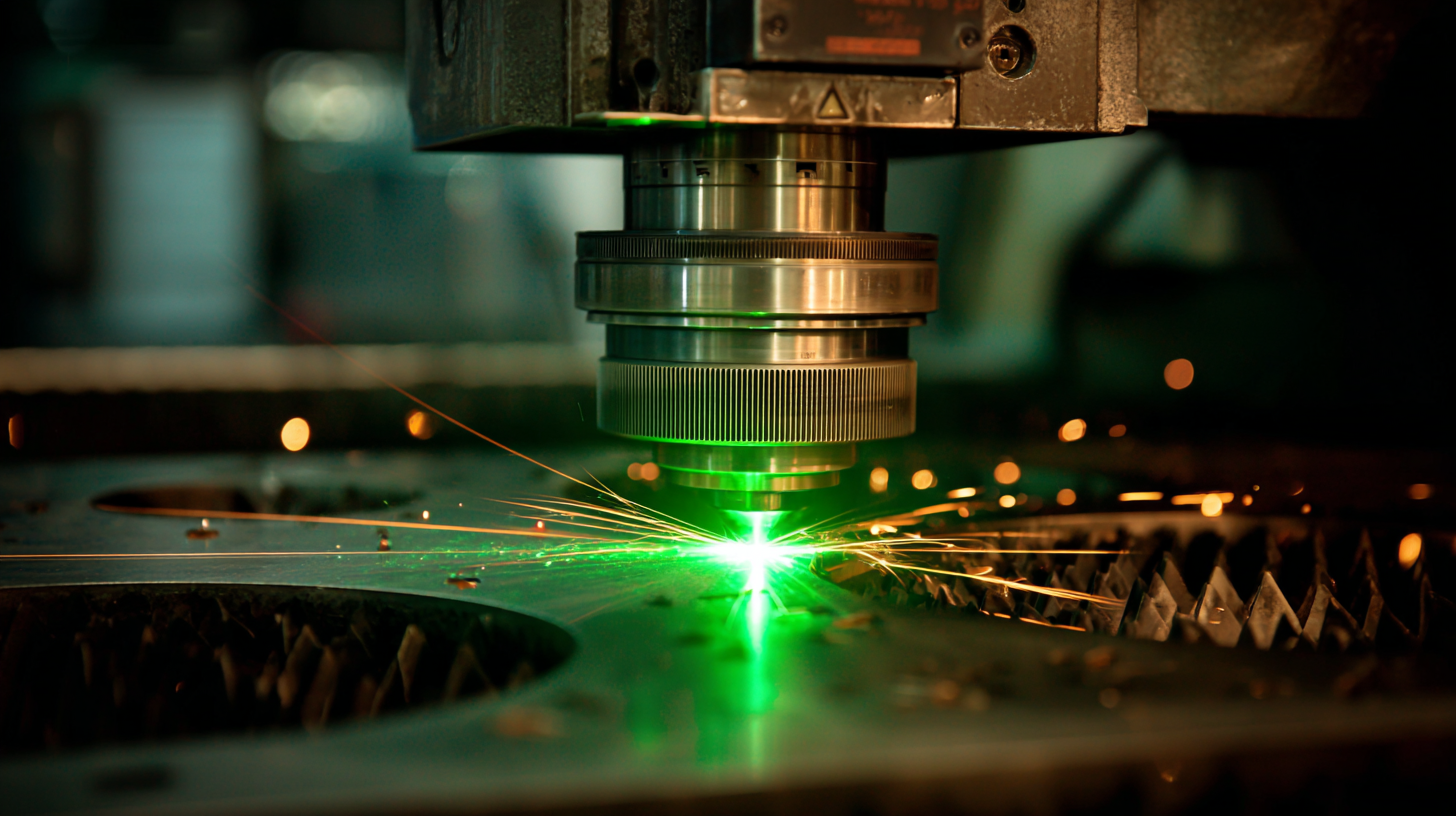
Powerful lasers have really become essential tools in many industries these days, completely changing the game when it comes to precision and efficiency. Take manufacturing, for example—laser cutting has totally revolutionized the way materials are processed. I read in a report from Allied Market Research that the global laser cutting market was worth about $4.45 billion back in 2020, and it’s expected to hit around $7.94 billion by 2027, growing at roughly 8.9% annually. A big part of that growth? Companies want more accuracy and less waste—lasers make that possible with their super fine, precise cuts.
And it’s not just manufacturing. Lasers are also making a big splash in healthcare. They're increasingly used in surgeries and treatments. For example, in eye surgery—like LASIK—they’ve helped cut down recovery times by about 21%, which is pretty impressive, according to the American Society of Cataract and Refractive Surgery. Plus, in dermatology, laser treatments are becoming more popular, with the market expected to reach around $3.65 billion by 2026. People love that these procedures are less invasive and mean less downtime. All in all, these laser tech advancements are setting new standards for precision and efficiency across different fields, and I think we’re only going to see more of it happening in the future.
Transforming Medical Treatments with Advanced Laser Techniques
You know, advanced laser techniques really turned things around in medicine. They've brought a level of precision and efficiency that, honestly, we couldn’t have even imagined before. These powerful lasers can handle pretty complex procedures with barely any invasiveness, which means people tend to recover much faster. Take dermatology, for example — lasers are now used for things like removing tattoos, reducing scars, and resurfacing the skin. Not only do these treatments help make skin look better, but they also boost overall skin health by encouraging collagen production — pretty cool, right?
And it’s not just skin stuff either. Lasers are actually making a big difference in surgeries too. Procedures like laser-assisted liposuction or LASIK eye surgery, for instance, are super precise — they target tissues accurately while damaging the surrounding areas as little as possible. That kind of accuracy is a game-changer when it comes to delicate surgeries, leading to better results and fewer complications. Plus, using lasers gives doctors a clearer view and more control over the process, which really helps in getting the outcomes patients want. All in all, these advancements are really transforming patient care and making recovery times way more manageable.
Boosting Efficiency in Research and Development with Laser Solutions
You know, advancements in laser tech have really changed the game across so many industries. These powerful lasers, which are known for their incredible precision and efficiency, help streamline a bunch of processes—from working with materials to biomedical research and electronics. They make cutting, welding, and shaping stuff way more accurate, and honestly, they cut down on waste too. That means manufacturing becomes not just better but also more eco-friendly, which is pretty awesome.
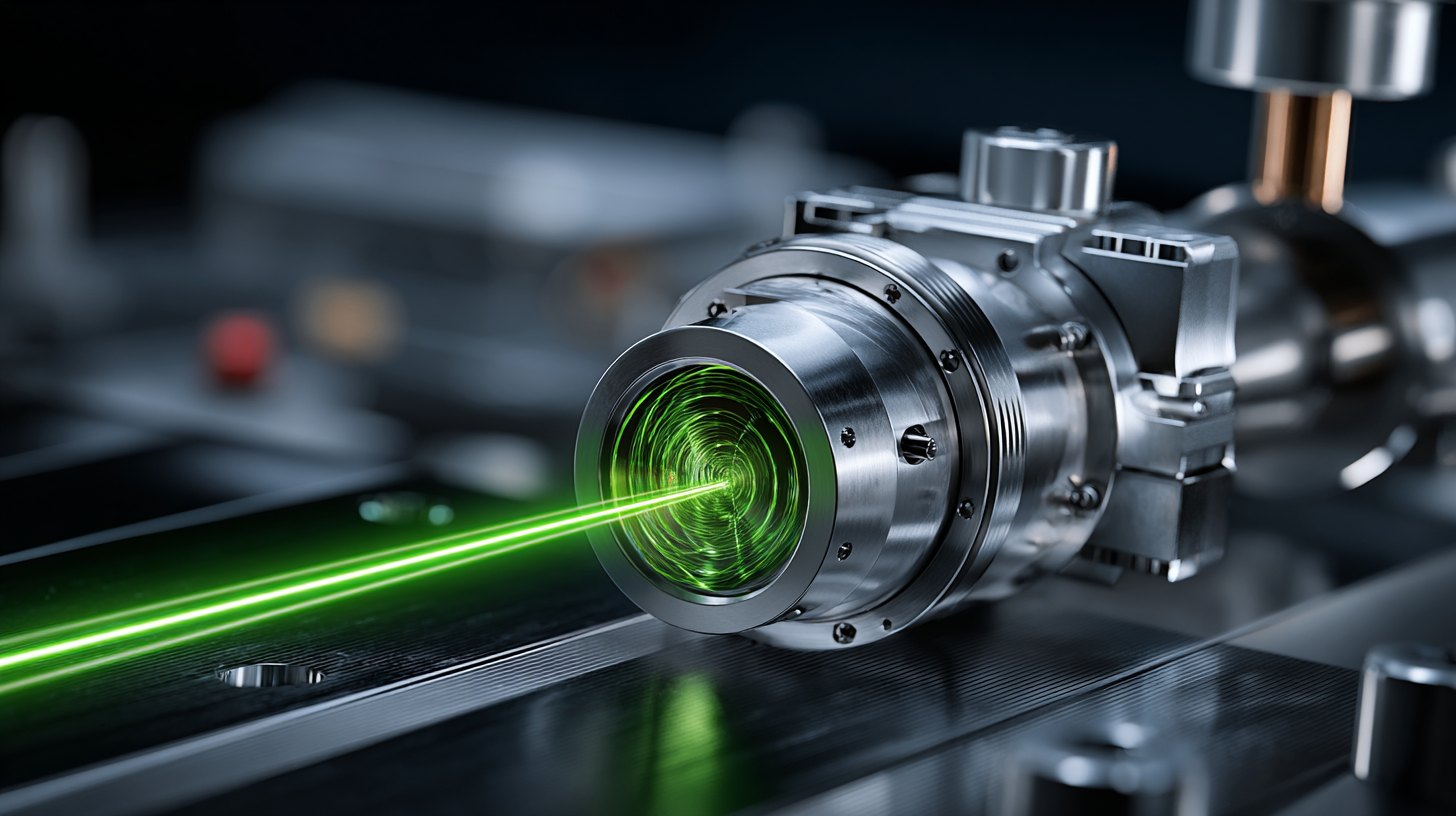
In labs and research centers, lasers open up all sorts of exciting possibilities. For example, in genomics, laser-based techniques let scientists manipulate cell structures with crazy precision, leading to some pretty groundbreaking discoveries in genetics. And in the semiconductor world, lasers are used for photolithography—basically crafting tiny, complex microchips with a level of detail that’s hard to beat. All of this means products get developed faster, and the whole tech scene just keeps pushing forward. It’s pretty fascinating how lasers are shaping our future, don’t you think?
Future Innovations in Laser Technology and Their Impact on Industries
Lately, there’s been some pretty exciting progress in laser tech that's really shaking things up across various industries. The 2024 China Laser Industry Development Report highlights how the fiber laser market is booming, with local players like Tmaxlaser Technology at the forefront, pushing the boundaries of innovation. They've been around for over 15 years, and their focus on using top-notch CNC machining along with a dust-free production setup really helps them deliver high-quality laser modules. It’s no wonder they’re meeting the rising demands from both industry and research folks.
As more industries get on board with next-gen tech, lasers are starting to play a bigger role, especially in emerging fields like 3D printing and smart car systems. When laser solutions are integrated into these areas, they enable us to produce super complex parts with pinpoint accuracy, while also cutting down on waste and boosting efficiency. For example, auto makers are now using laser tech for custom parts through advanced 3D printing techniques. It’s pretty clear that lasers are becoming a key player in shaping the future of manufacturing. Plus, their potential aligns perfectly with the push toward 6G and satellite internet, which really highlights how important they are for building a strong technological backbone for a competitive economy.
What is a Powerful Laser and How Does It Transform Industries with Precision and Efficiency - Future Innovations in Laser Technology and Their Impact on Industries
| Industry | Laser Application | Advantages | Future Innovations |
| Manufacturing | Laser Cutting | High precision, reduced waste | Fiber lasers with higher power outputs |
| Healthcare | Laser Surgery | Minimally invasive, faster recovery | Advancements in laser imaging technologies |
| Automotive | Laser Welding | Stronger joints, reduced distortion | Integration with AI for adaptive welding parameters |
| Aerospace | Laser Drilling | High accuracy, increased efficiency | New laser materials for extreme environments |
FAQS
: Powerful lasers are being used across various industries, including manufacturing, healthcare, and dermatology, transforming processes with greater precision and efficiency.
Laser cutting technology has revolutionized material processing, leading to increased accuracy and reduced waste, contributing to the growth of the global laser cutting market, which is projected to reach $7.94 billion by 2027.
The global laser cutting market was valued at approximately $4.45 billion in 2020 and is projected to grow at a CAGR of 8.9% to reach $7.94 billion by 2027.
Lasers are making significant strides in healthcare by enhancing surgical procedures and therapies, particularly in ophthalmology and dermatology, leading to reduced recovery times and improved treatment outcomes.
The use of lasers in LASIK surgery has resulted in a 21% reduction in recovery time for patients, illustrating their effectiveness in ophthalmic procedures.
The market for laser applications in dermatology is forecasted to reach $3.65 billion by 2026, highlighting the growing demand for non-invasive skin treatments.
Advanced laser techniques are used for procedures such as tattoo removal, scar reduction, and skin resurfacing, which not only enhance cosmetic outcomes but also promote overall skin health.
Lasers enable precise targeting of tissues during delicate operations, minimizing damage to surrounding areas, which leads to better surgical outcomes and reduced risk of complications.
The use of lasers offers enhanced visualization and control for doctors, making it easier to achieve desired results, thus transforming patient care and improving recovery experiences.
Conclusion
Powerful lasers have really changed the game across so many industries, thanks to their incredible precision and efficiency. They've opened doors to some amazing advancements in manufacturing, medicine, and research — pretty impressive, right? Getting to know the different kinds of laser tech out there is kinda like laying the groundwork so you can use it to its full potential. In manufacturing, for example, these lasers make it possible to get super precise cuts and intricate designs that old-school methods just can’t match. And it doesn’t stop there — in the medical field, advanced laser techniques are actually transforming how treatments are done, leading to better results and faster recoveries.
At Shenzhen Tmaxlaser Technology Co., Ltd, we’re all about pushing the boundaries of laser lighting products. With over 15 years of experience under our belt, we rely on top-notch CNC machines and a clean, dust-free workshop to craft high-quality laser modules. This helps us boost efficiency and stay ahead in this fast-moving industry. As laser technology keeps evolving, it’s exciting to think about just how much more it can do — making industries more productive and raising the bar on standards everywhere.